Low-Cost Pet Dentistry in Michigan
We were one of the first clinics in Michigan to offer low-cost dentistry. In the past 4 years, we have helped hundreds of pets live happier and healthier lives.
Studies show 80% of dogs and 70% of cats have dental disease by age 3. Some of the most painful dental conditions are found in cats as young as 1 year of age. Yearly physical exams are an important part of diagnosing dental disease at its early stages.
We know how important dental care is for animals—just as anyone who has ever had a toothache or needed a root canal knows how painful and debilitating those conditions are. Most people think “they’d know for sure” if their pet was in pain, but that isn’t the way animals work. It’s common knowledge animals are experts at hiding their pain.
Our Low-Cost Dentistry Package
Our flat-rate package includes:
- Dental charting, cleaning & polishing
- Removal of loose teeth
- Locally-acting bupivacaine
- Any additional antibiotics and anti-inflammatories
Blood work is strongly recommended for animals over 7 years of age and can be done the same day as the dental.
Dental radiographs are required for removing broken teeth or teeth that are not loose enough to be removed without drilling. Individual teeth requiring radiographs are an additional $35 each. You can decline this service at check-in, and we won’t remove those teeth. Our partner, Michigan Pet Surgery & Dentistry Clinic, offers a flat-rate dental package with full-mouth radiographs.
Why Pet Dentistry Matters
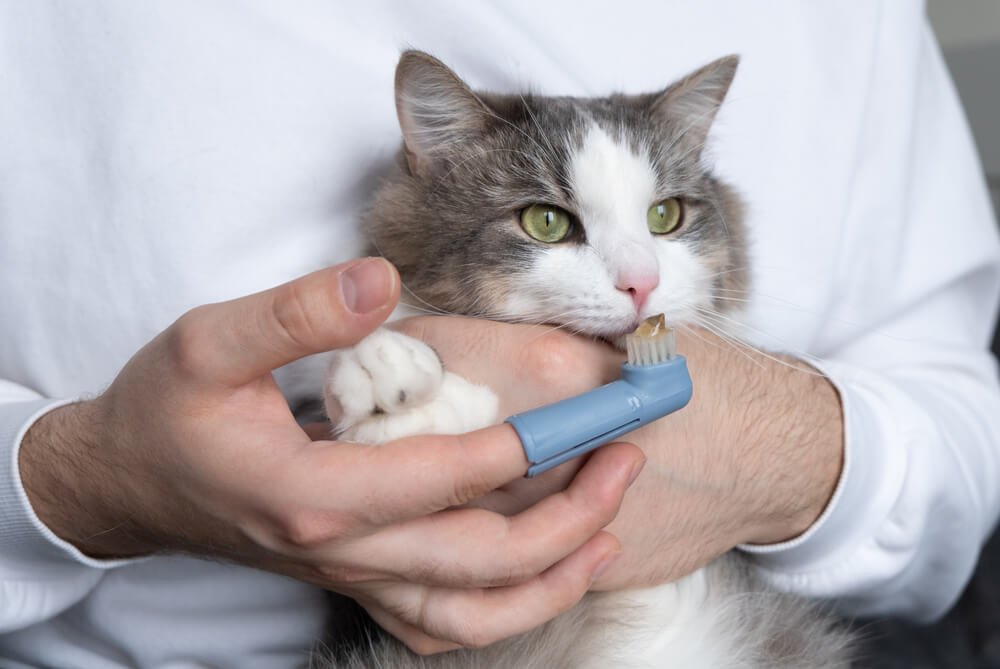
Pet dentistry prevents painful oral diseases like gingivitis and tooth loss. Bacteria from these infections can spread to other parts of the body, potentially causing serious health problems in organs like the heart, liver, and kidneys. Accumulated tartar and bacteria can lead to jaw bone deterioration and even spontaneous jaw fracture.
Good dental hygiene also improves your pet’s overall quality of life, ensuring they can eat comfortably and maintain energy. For a list of products approved by veterinary dentists, visit VOHC.org.
Signs of Dental Pain
Most people assume they would know if their pet is in pain. The fact is we can’t visually detect dental pain until it has been ongoing for a long time. Eating is not always a sign that they are pain-free—it’s simply a survival mechanism. Common signs include:
- Pawing at the face
- Dropping food
- Tilting head while chewing
- Hiding or fearfulness
- Weight loss
- Nasal or ocular discharge
Why Dental Cleaning is Important
Cornell Veterinary School has an excellent website on why dental cleanings for cats are so important: Feline Dental Health
A significant number of animals are euthanized every year due to painful dental conditions their owners are financially unable to treat. The good news is, we have the ability to diagnose and eliminate dental pain, and make your pet happier and healthier! Pet dentistry is absolutely one of those situations where an ounce of prevention is cheaper and better than a pound of cure.
Expert Veterinary Care
Our veterinarian trains in-person with board-certified dental specialists every year to bring advanced techniques to your pets and consults with experts when needed.
We also offer FREE mouth checks for cats with a Wellness visit under Oral Health Assessment (we must be able to hold your cat).
Benefits of Pet Dentistry
- Prevents painful diseases: Reduces risk of infected gums, tooth decay, and tooth loss.
- Protects vital organs: Prevents bacteria from oral infections from affecting the heart, liver, and kidneys.
- Improves overall health: Supports appetite, energy, and management of chronic conditions like diabetes.
- Increases lifespan: Poor oral hygiene has been linked to shorter life in pets.
- Enhances quality of life: Ensures pets can eat comfortably and live happily.
Showing signs of oral disease by age 3
FAQ
What does a dental appointment include?
- General anesthesia
- Surgical monitoring
- IV Catheter and fluids (as needed)
- Oral exam
- Charting of teeth
- Scaling off plaque and tartar
- Polishing
- Nerve blocks before extractions
- Removal of loose/diseased teeth
- Any post-op medication, such as antibiotics and pain medicine
What will a dental do for my pet?
- Remove plaque and tartar
- Slow down the progression of dental disease
- Identify oral conditions such as tumors, lesions, furcations, etc.
What will a dental NOT do for my pet?
- Uncover dental disease BELOW the gumline (without radiographs)
- Allow for the safe removal of canines and other deeply rooted/firmly affixed teeth that should only be removed while employing dental radiographs
Why is this so much cheaper than most other vets?
- We have no overhead-no building or lease to pay for. No waiting rooms or exam rooms to furnish. Our only purchases are what is directly needed to provide top-quality services to the animals.
- As a part-time operation run with the help of volunteers, we don’t have expensive HR and benefits packages to pay for.
- We focus on certain services–not everything. Some of the most expensive equipment in clinics are ultrasound machines and full-body x-ray equipment.
Pricing-$400-$500
The price for cats and dogs under 50 lbs. is $400. Dogs 50-85 lbs. are $500. We do not have commercial cages that can contain dogs who weigh over 85 lbs. or are aggressive.
Pre-anesthetic blood work to check liver and kidney function is $75. It is strongly recommended for animals 7+ years of age.
For animals whose teeth are not loose, but are diseased and needing of extractions, the cost for removal and radiographs is $150 for up to 2 teeth.
We train with board-certified dentists every year in order to provide top-quality care for your pets.
Any and all simple extractions are included in the flat-rate cost, at the veterinarian’s discretion. Pricing for surgical extractions depends on the tooth needing to be removed as well as its complexity. We only extract unhealthy teeth, and we do not call owners before performing any or all extractions. If your veterinarian has any specific concerns we will keep them in mind and review any dental radiographs they provide, however, our vets make their own treatment plans based on multiple factors, including the health of the animal, the type of disease present, and the safety of the desired procedures.
Our affordable plan is aimed to help you PREVENT severe dental disease and keep up with your pets’ oral health. It is not a solution to catch up on severe, long-term, untreated disease all at once. The longer teeth go untreated the more bone decay happens to the jaw. In these cases there are significant risks to removing certain teeth, as there is a chance of breaking the jaw.
For some diseases radiographs are absolutely indicated and required. For dentistry services that include radiographs, please visit Michiganpetsurgery.com .
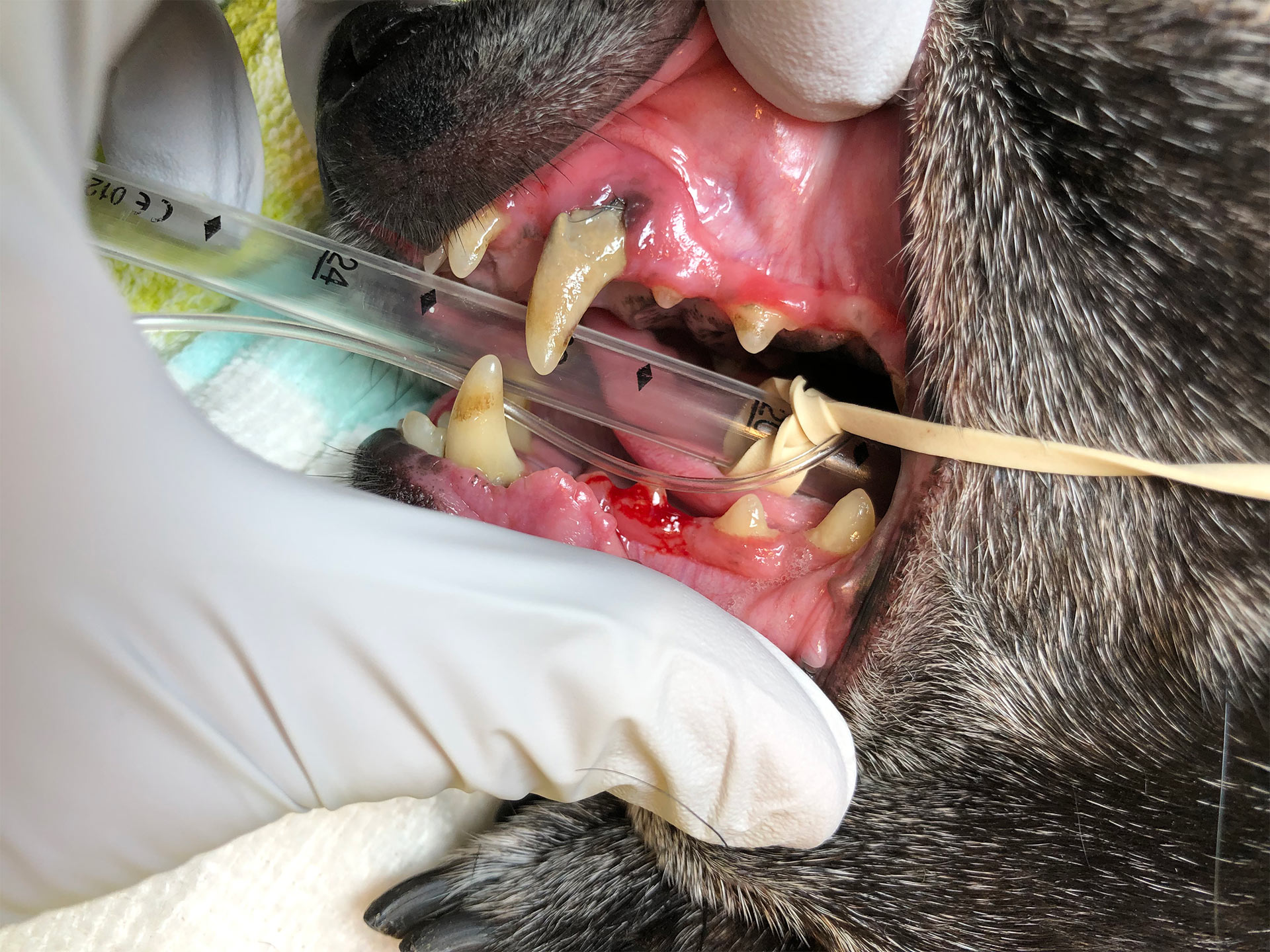
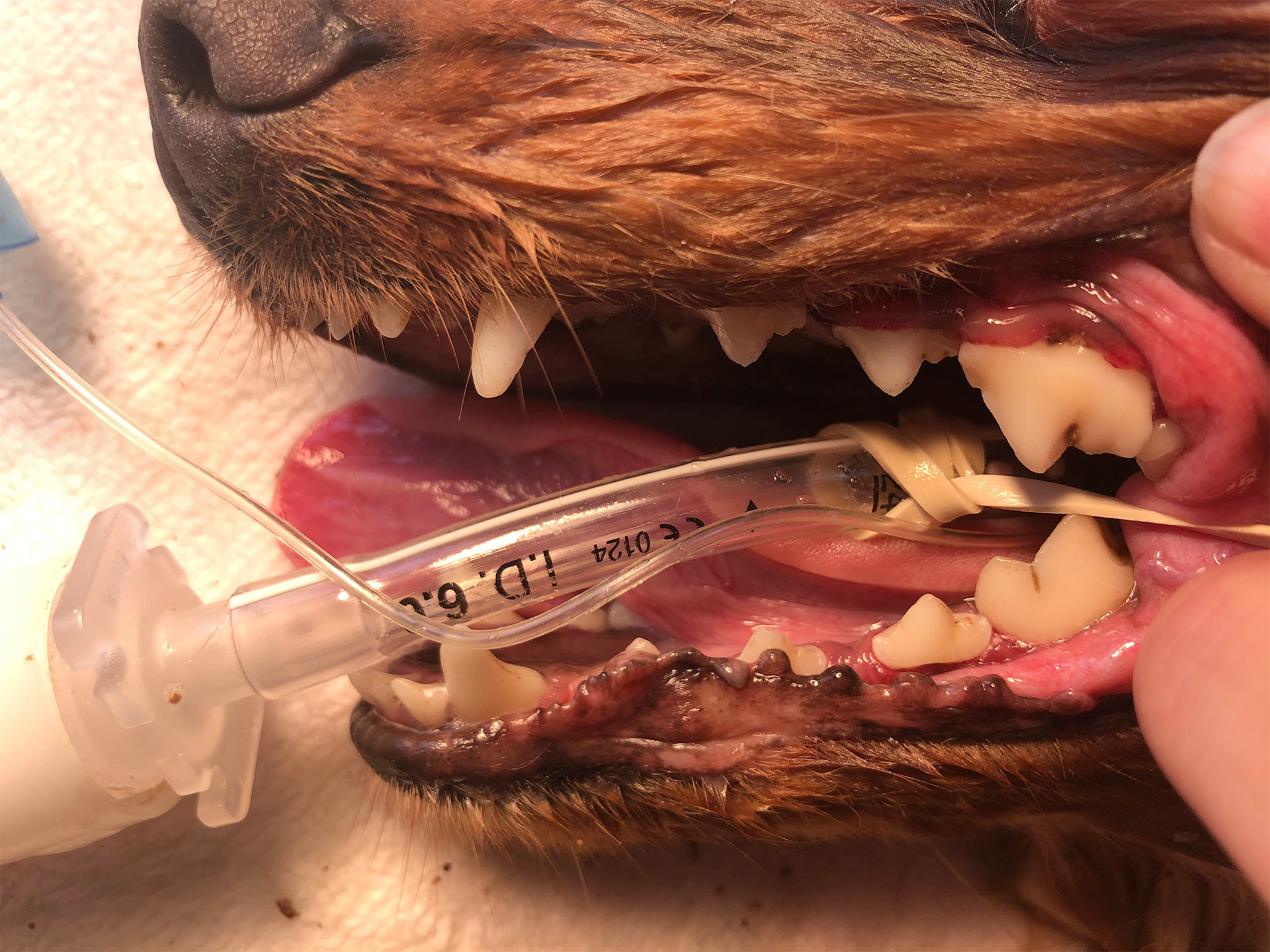
Before
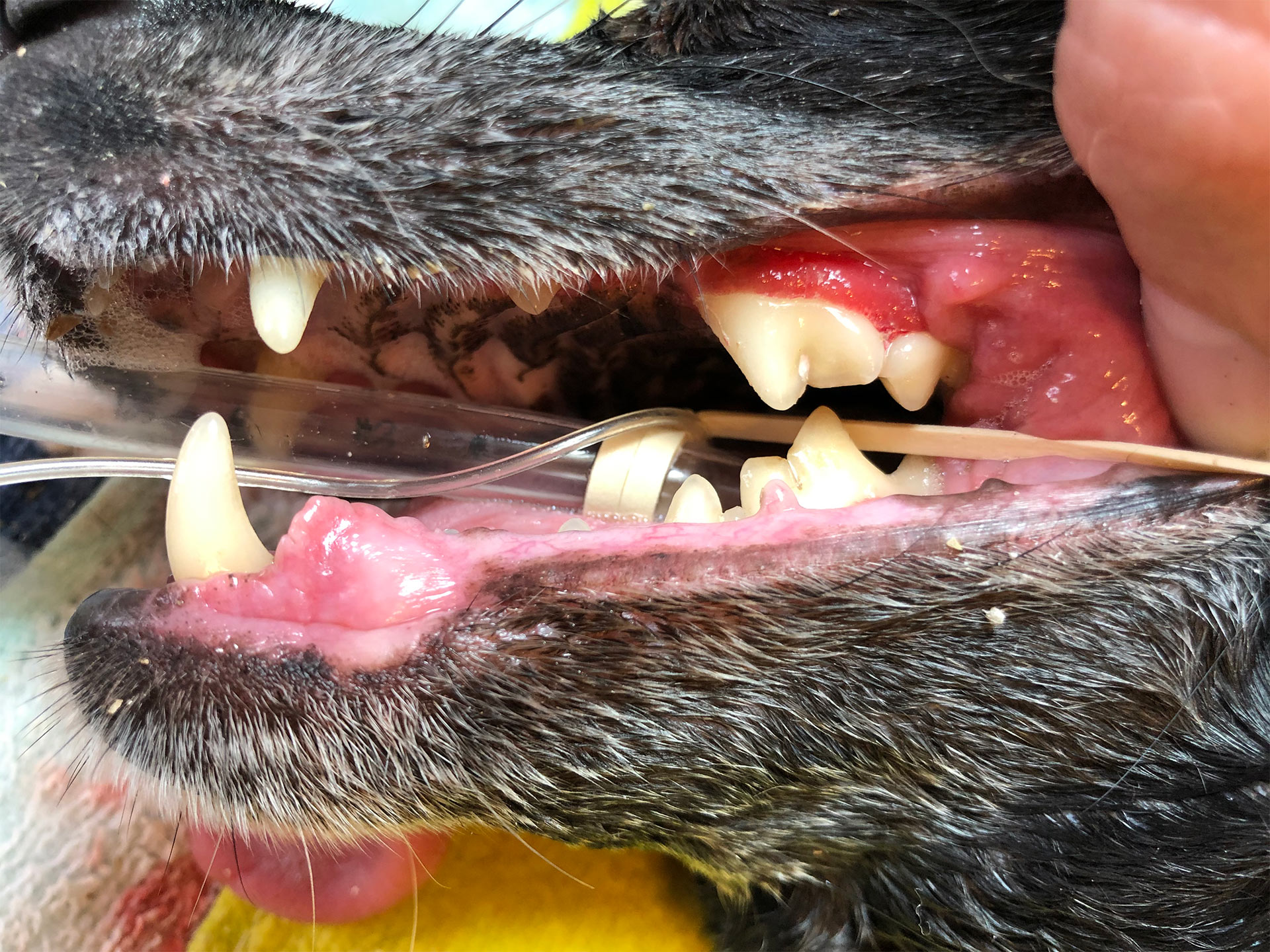
After
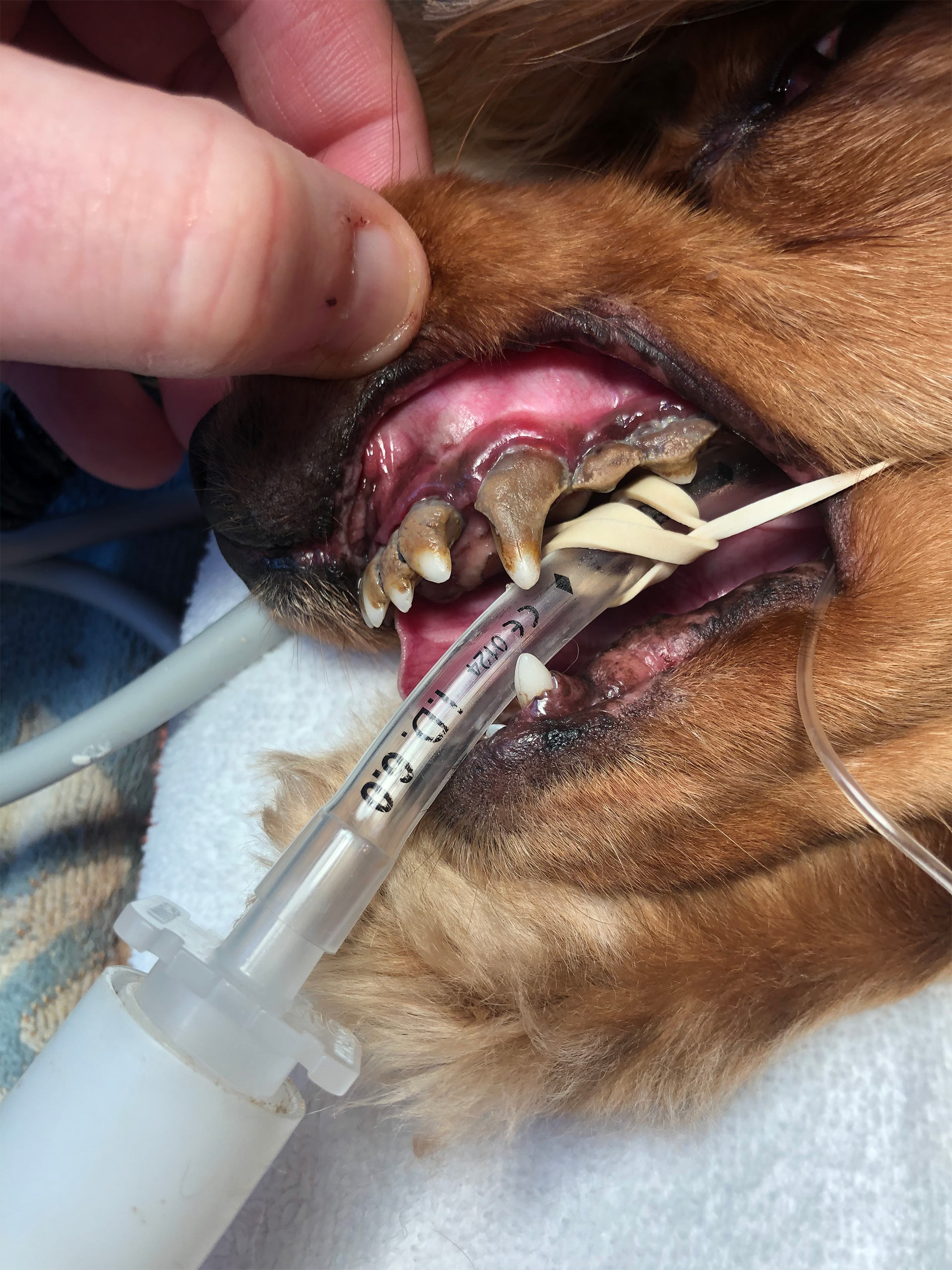
Before