
Feral Cat Spay and Neuter (TNR Program)
Over 20 Years of TNR Experience
Helping You Help Them
Comprehensive Care for Outdoor Cats
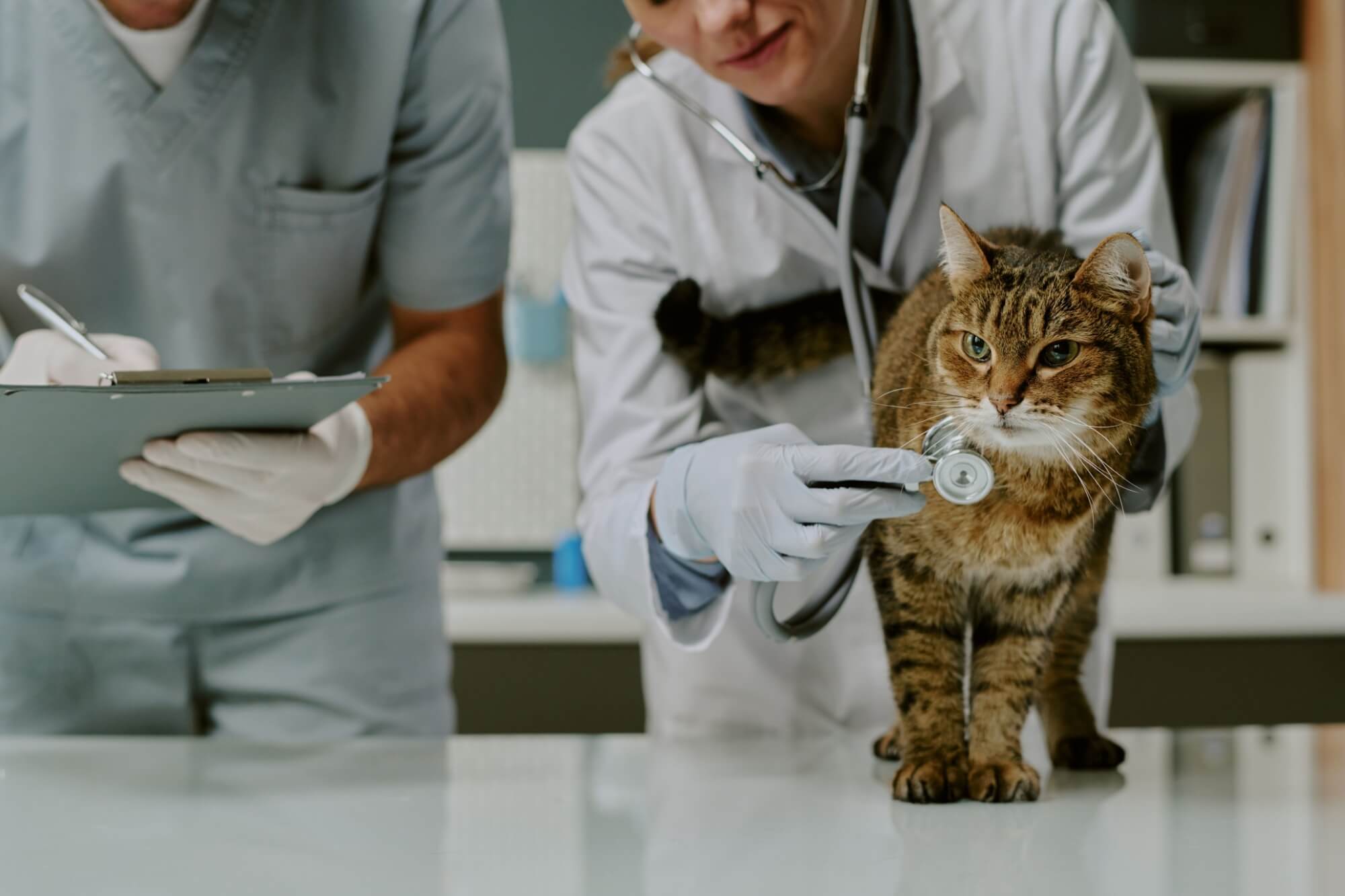
We know we may be the only veterinarian an outdoor cat ever sees, and our priority is doing everything we can for them. We treat for fleas and earmites, vaccinate, take care of wounds and injuries, and even do minor dental work on some of these cats.
How to Register a Feral Cat
The TNR Process:
1. Trap: Humane traps are used to capture cats in a colony, with food strategically placed inside to lure them in. Some organizations also offer trap loans.
2. Neuter or spay: Trapped cats are taken to a veterinary clinic for sterilization surgery. They are also vaccinated against diseases. Kittens and friendly stray cats may be considered for adoption into homes rather than returned.
3. Ear-tip: A universally recognized sign, an ear-tip is a small, painless surgical removal of the top quarter-inch of one ear. This is done while the cat is under anesthesia and identifies them as sterilized, preventing them from being re-trapped unnecessarily.
4. Return: After they have recovered from surgery (typically within 24 hours), the cats are returned to their original outdoor territory. This is crucial for their well-being, as feral cats are not socialized for indoor life and would be stressed in a shelter environment. For cats who turned out to be pregnant, it is ideal if they can stay confined for several days post-op if they tolerate it.
Benefits of TNR:
• Stabilizes population: By stopping the breeding cycle, TNR programs prevent the birth of new kittens, causing colonies to decrease in size naturally over time.
• Improves health: Sterilized cats are less likely to fight, reducing the spread of diseases like FIV and FeLV. Females no longer endure the physical strain of repeated pregnancies, and spaying and neutering eliminate the risk of certain cancers.
• Reduces nuisance behaviors: Mating-related behaviors like yowling, fighting, and spraying are significantly reduced, leading to fewer resident complaints.
• Cost-effective: TNR is less expensive than repeatedly trapping and euthanizing cats and reduces the financial burden on animal control services and taxpayers.
• Humane solution: Unlike catch-and-kill methods, TNR respects the cats’ lives and allows them to remain in their outdoor homes.